
The Other Side of the Mountain
“Until the lion has their historian, the hunter will always be a hero.” – African proverb
11 artists, nearly 60 works and three new commissions.
The Other Side of the Mountain brings together contemporary artists working across the African continent and within the Afro-Nordic diaspora. They explore how cities and modern landscapes shape our connections to one another and to the places we inhabit, creating distance or bringing us closer together.
The works focus on movement and urban landscapes, language and communication, and reimagined histories and alternative futures. Loulou Cherinet explores urban development and public space through Helsinki’s changing cityscape, while Ibrahim Mahama reflects on migration through materials connected to colonial trade. In the museum window overlooking Mannerheimintie, Jeannette Ehlers addresses colonial histories through a neon installation featuring an African proverb she encountered at a former Danish slave-trading fort in Ghana.
The exhibition is part of Southnord Artfest 2026 and it is co-curated by Marcia Harvey Isaksson (Southnord) and Katariina Timonen (Amos Rex).
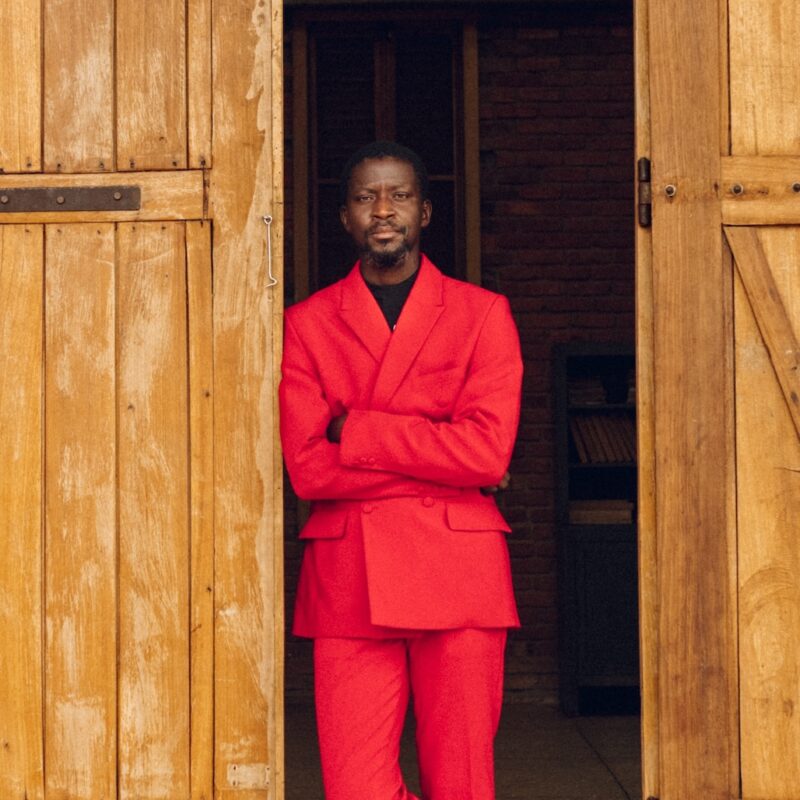
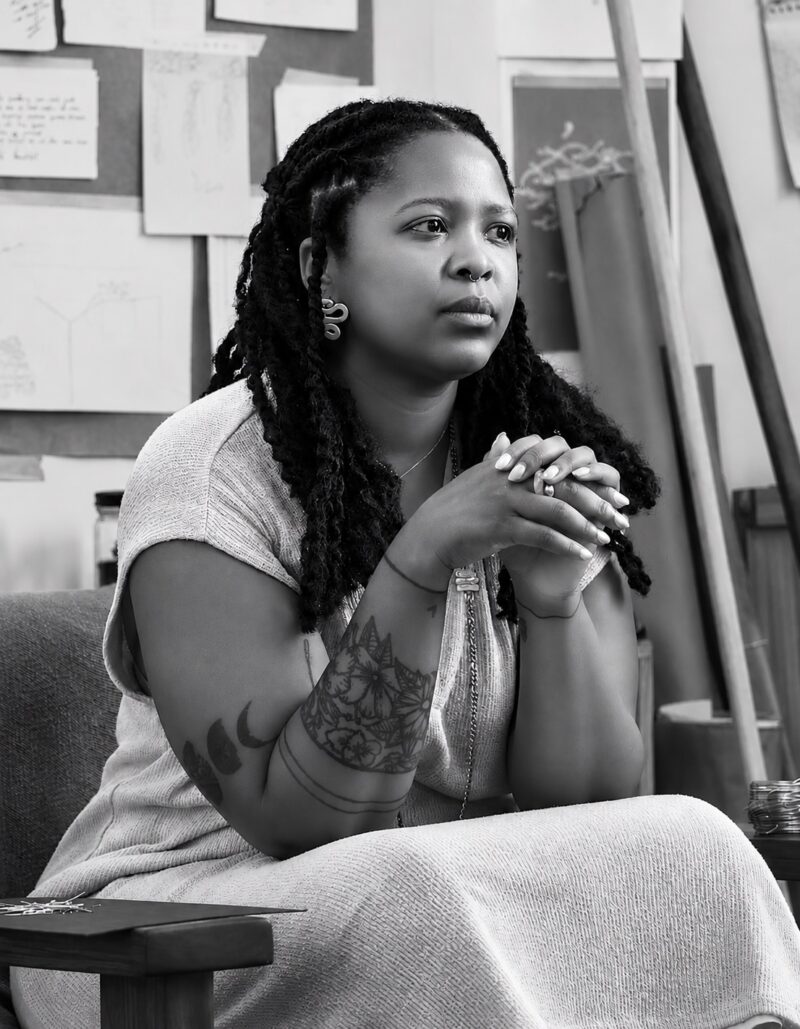
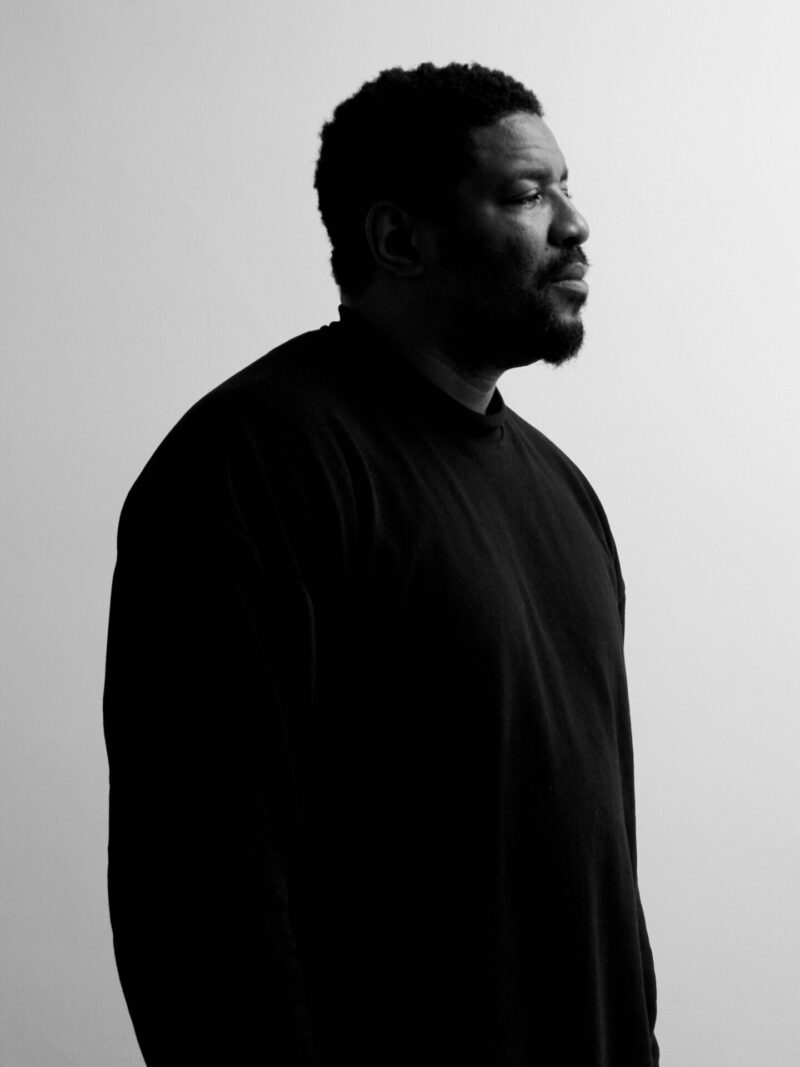
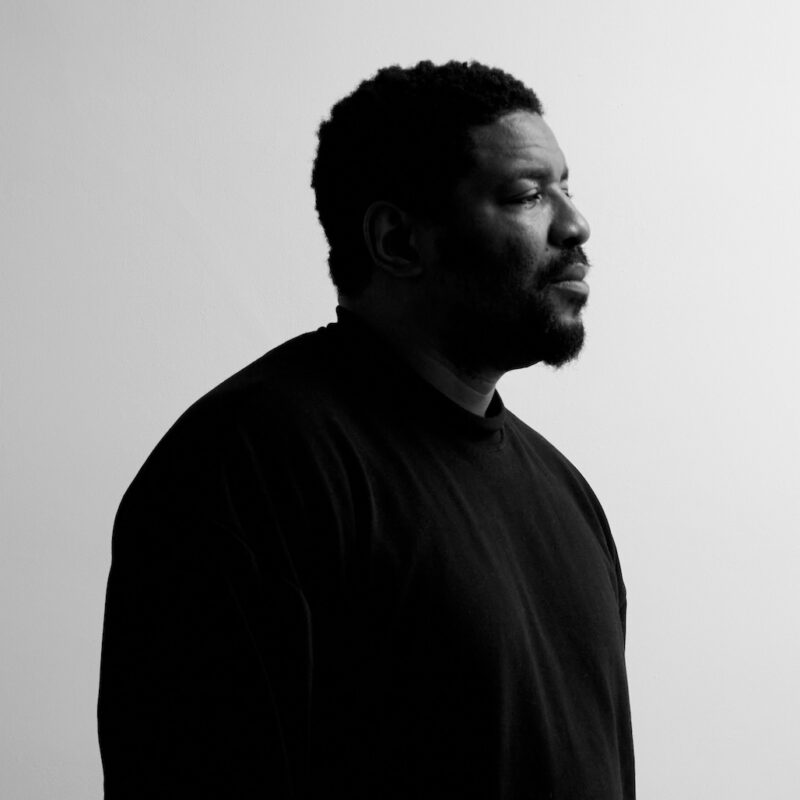
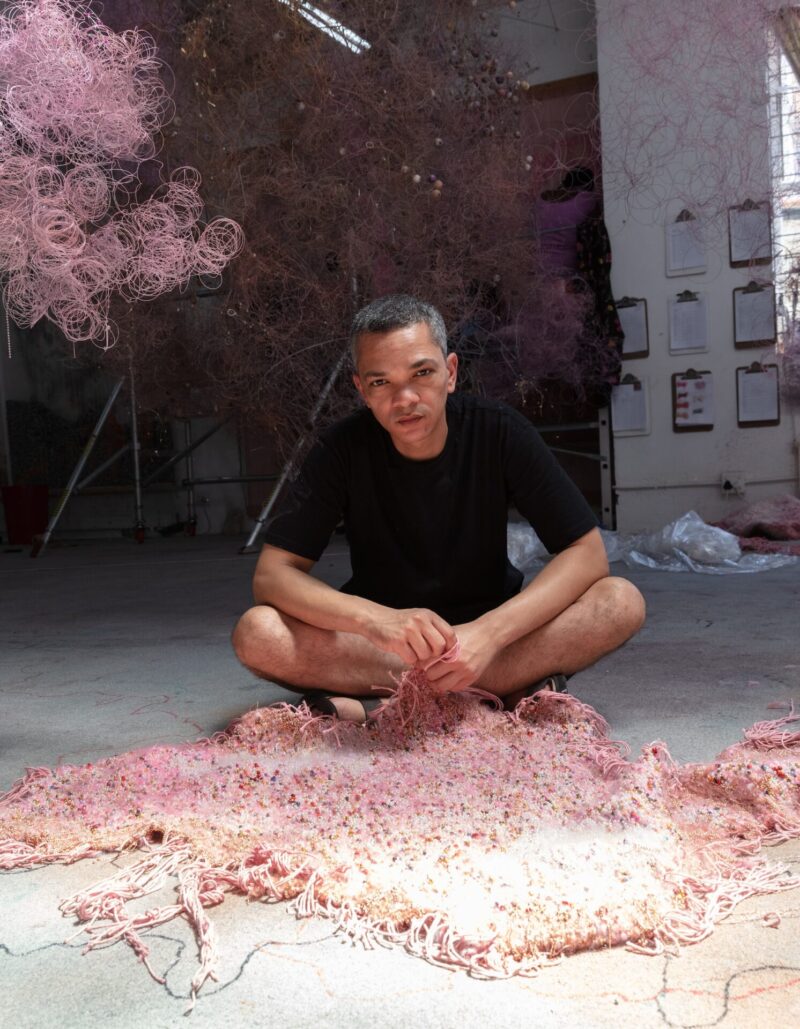
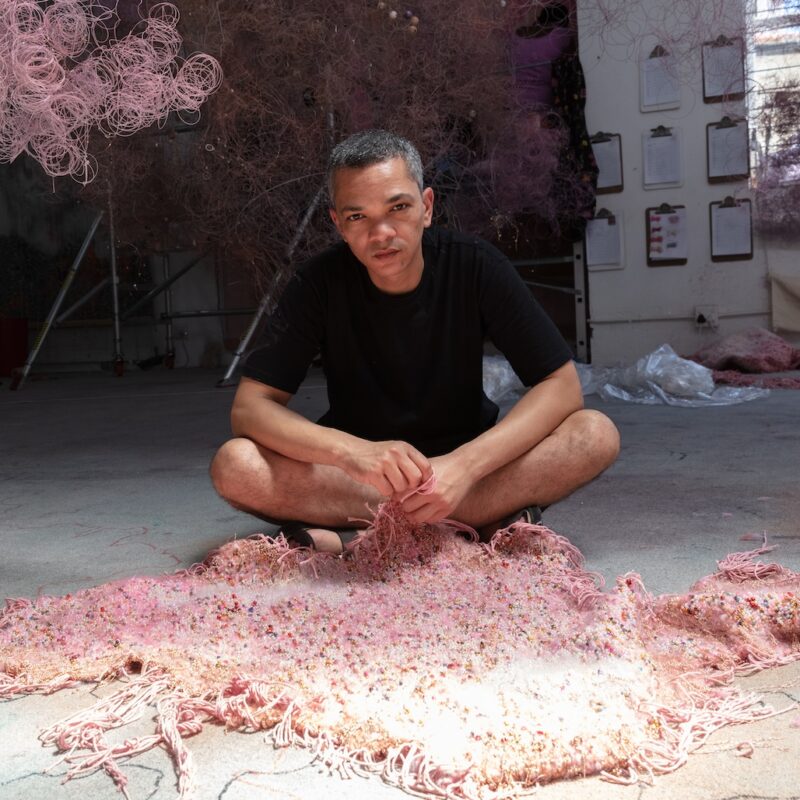
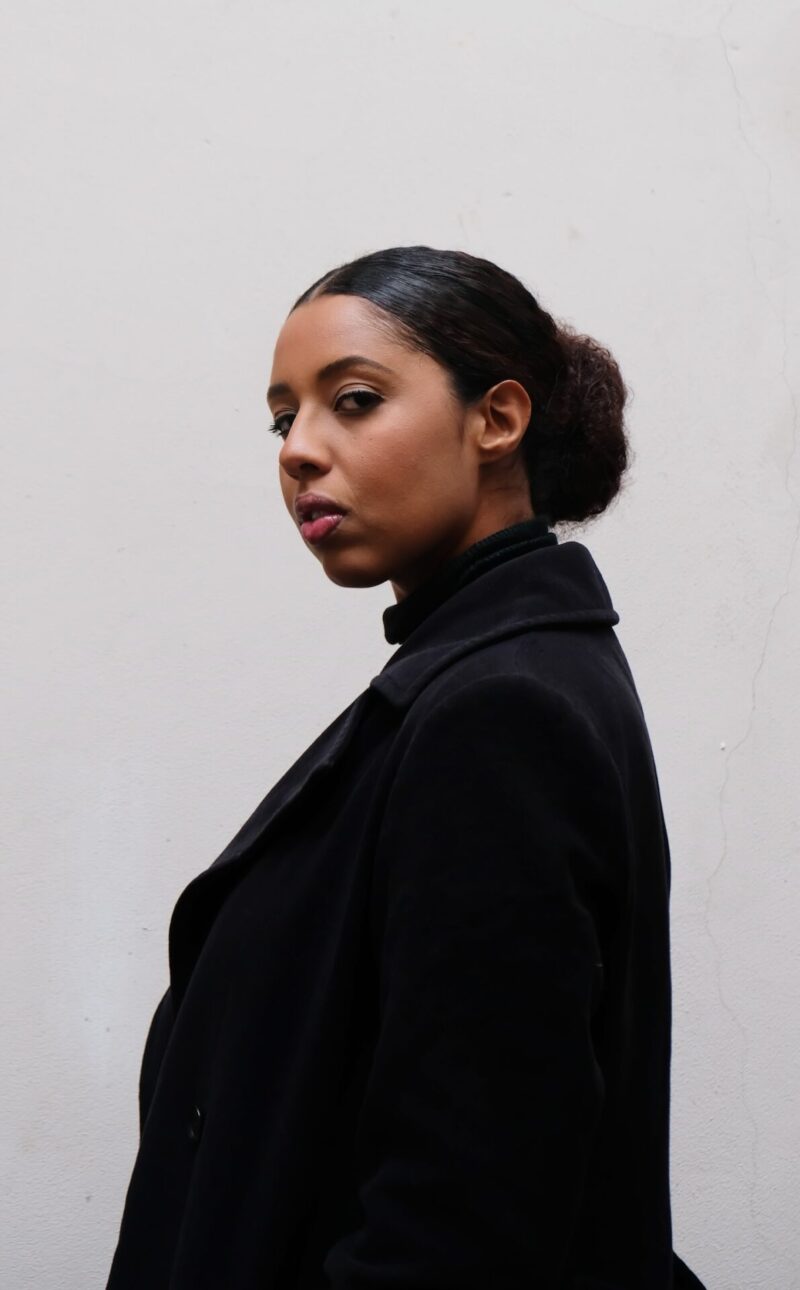
Artists
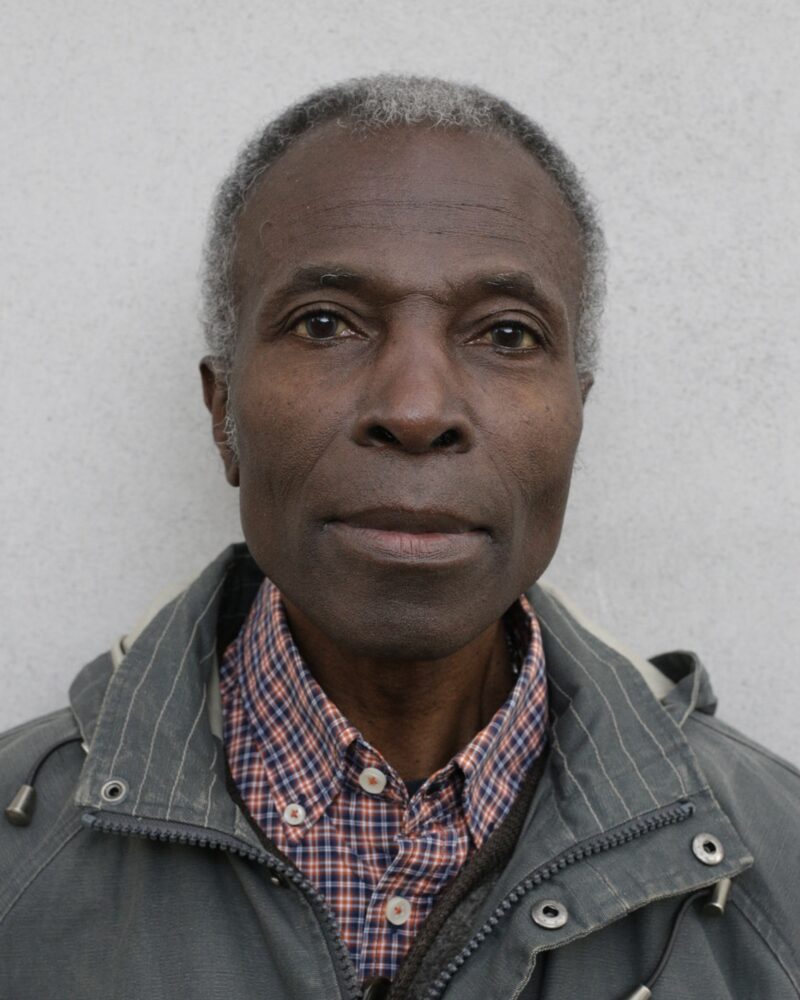
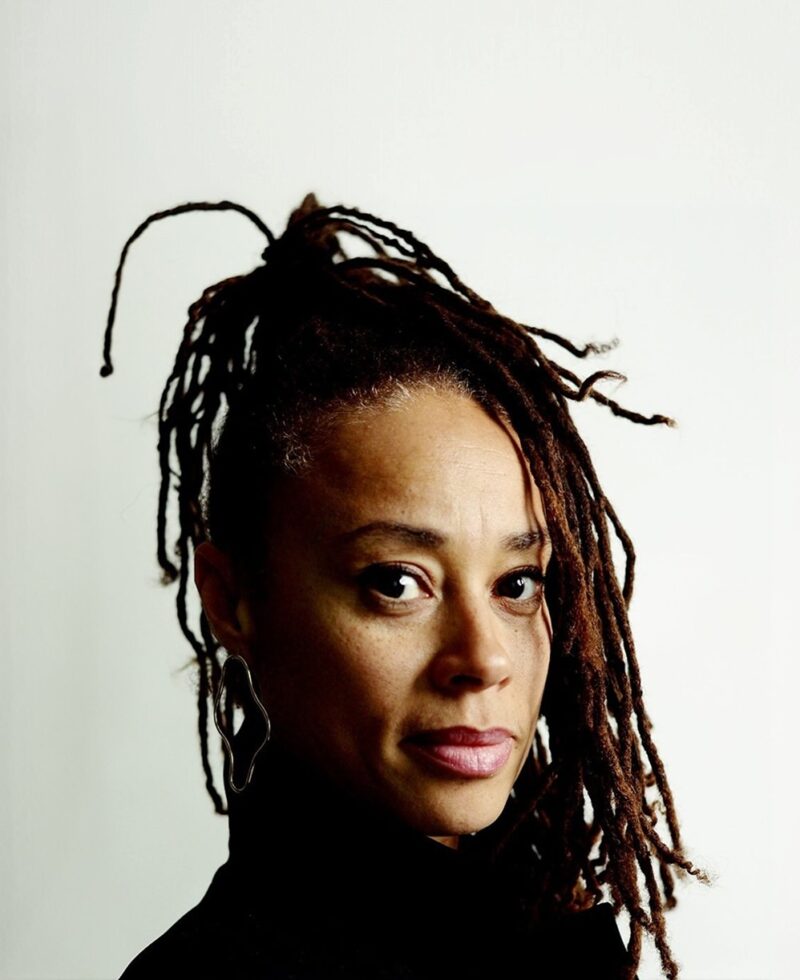
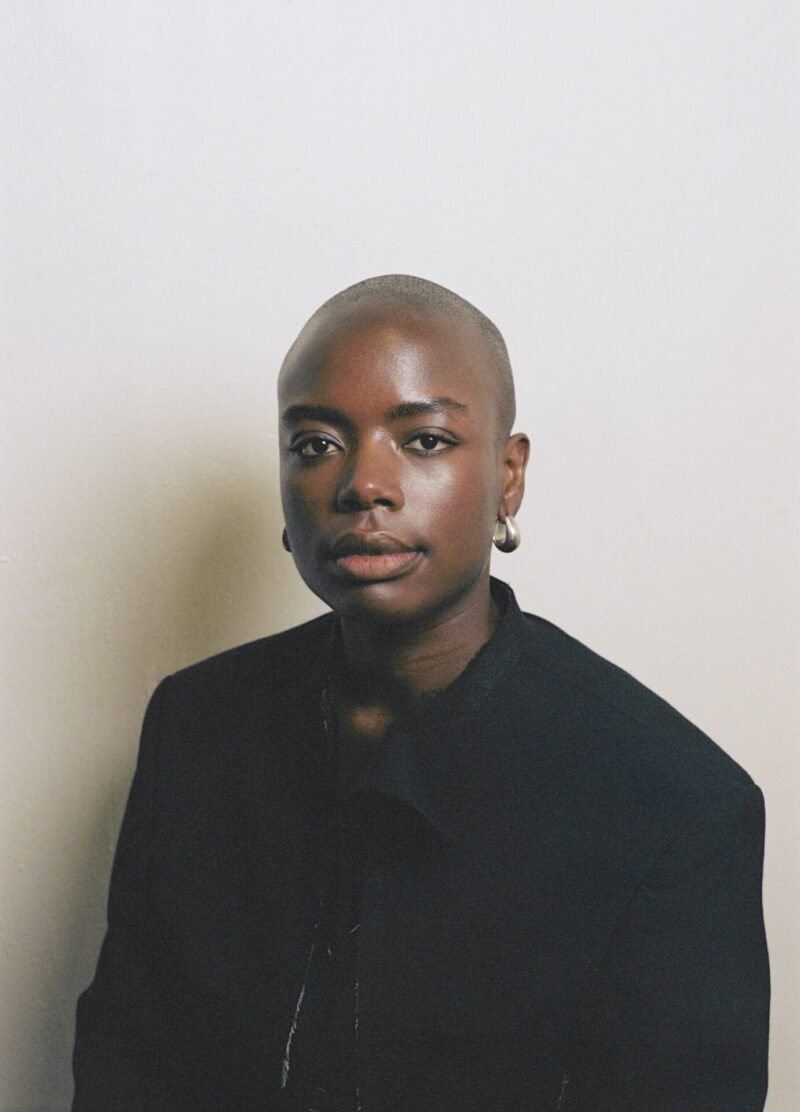
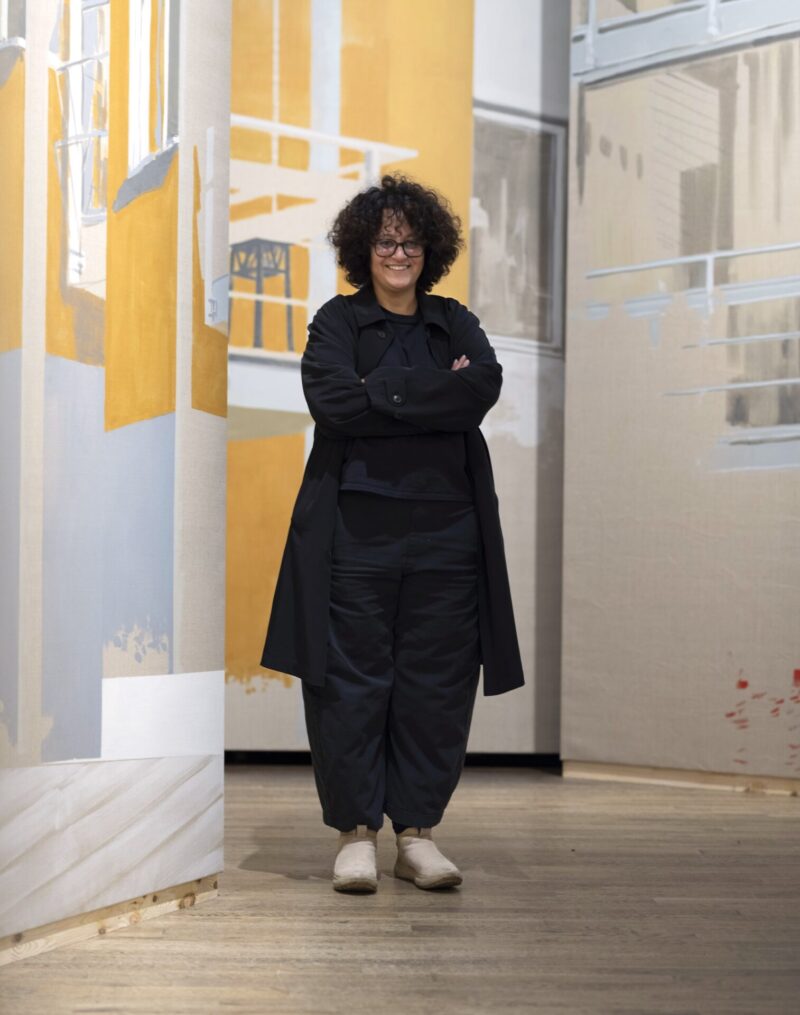
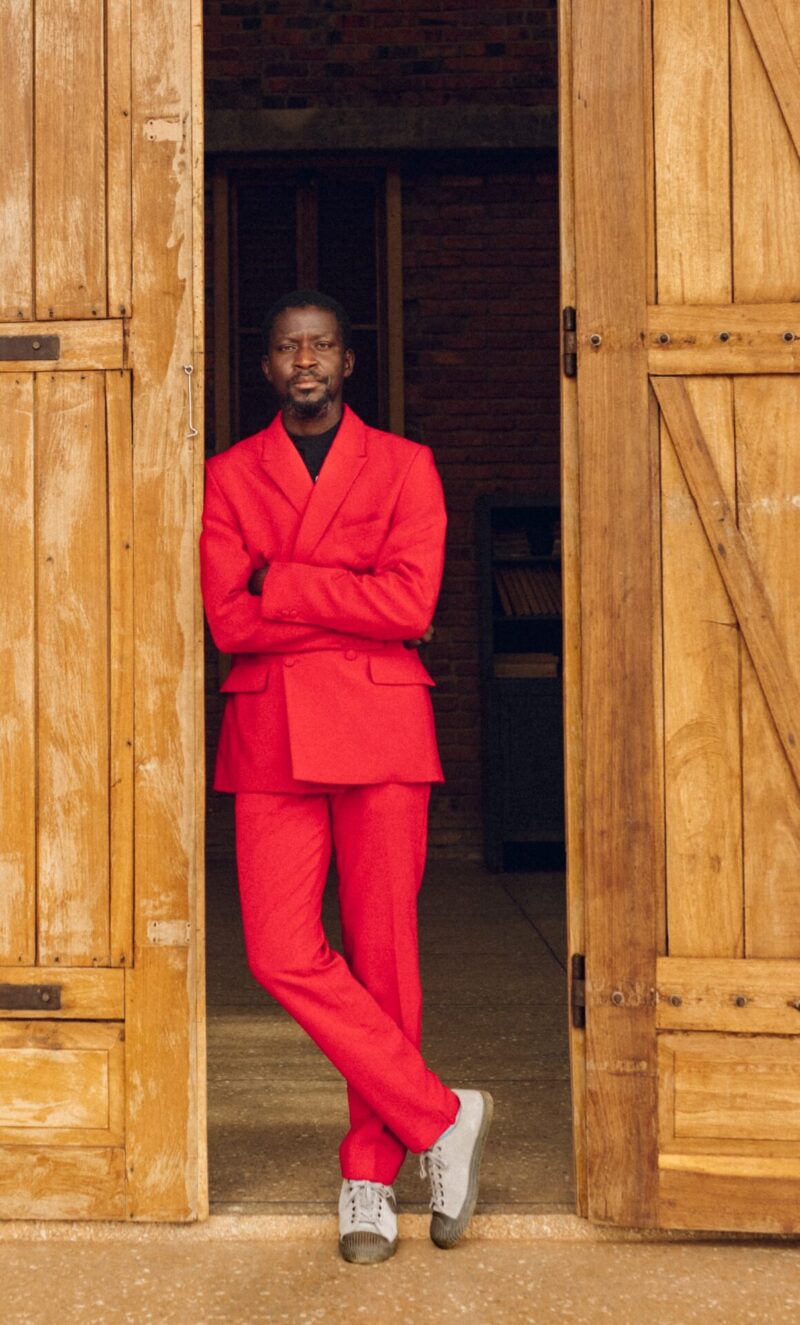
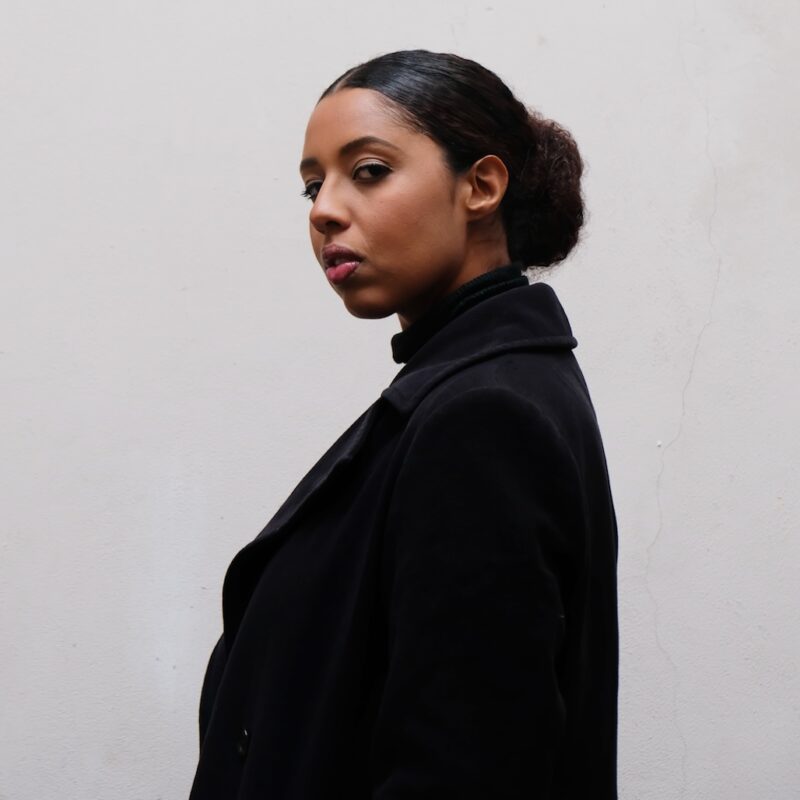
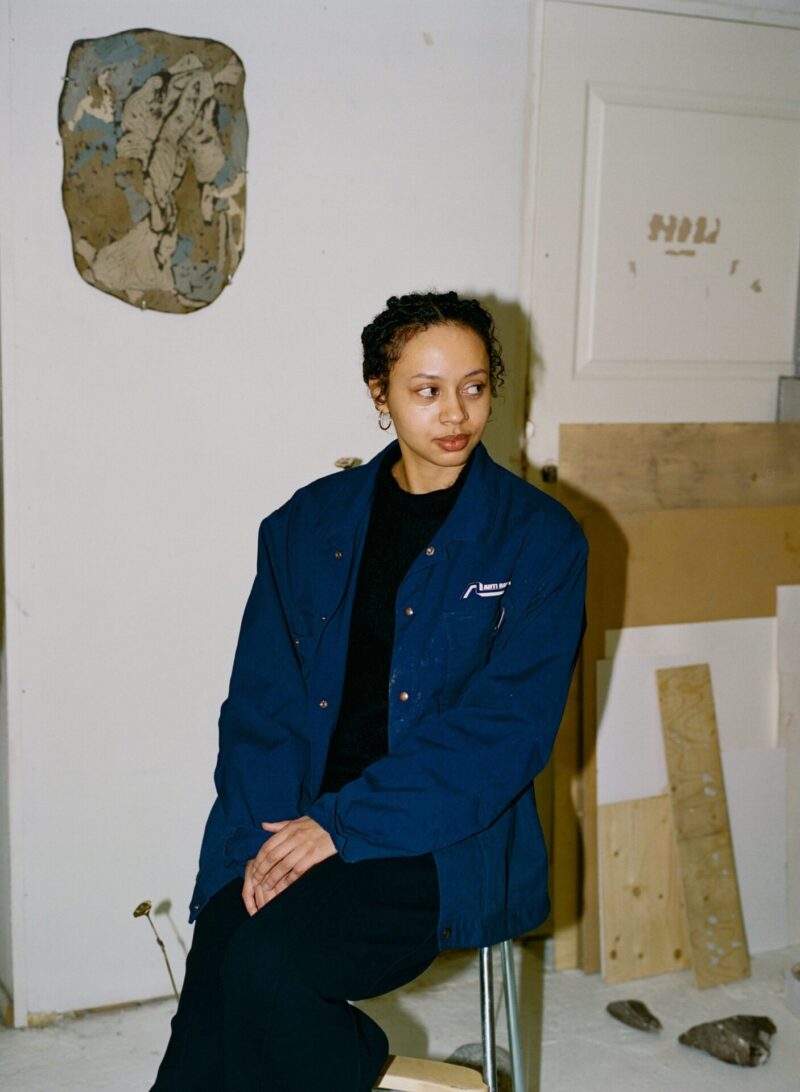
Story of the Mountain
The name of the exhibition comes from a story told by Minna Salami in the introduction to her book Sensuous Knowledge – A Black Feminist Approach for Everyone. She wrote a new version of the story for this exhibition.
In a far and distant time, there was once a town at the brink of collapse. The crops had failed, and neighbouring wars encroached upon the peaceful little town.
One day a townsman recalled a legend that beyond the horizon lay a nearby mountain with natural riches vast enough to transform their fortunes. He took off searching for the mountain. Months later, he returned to a town burdened by scarcity. The townspeople listened joylessly as the explorer told them that he had found the mountain, but it was barren.
Everyone forgot about the mountain eventually—all but one of the townspeople who, led by a nagging feeling that the explorer’s account was incomplete, left the town in search of the great mountain.
How could two people visit the same mountain and return with such different accounts?
When this second explorer returned, she stunned everyone. The legend was true. The mountain she found was covered in lush vegetation, towering trees, and at least a few hundred species of plants.
The townspeople began to quarrel. How could two people visit the same mountain and return with such different accounts?
However, both explorers were telling the truth. They had just viewed the mountain from different positions. The mountain was barren on one side and fertile on the other.
With time, this kaleidoscopic mountain became part of their collective identity. When the mountain was threatened by climate change, they joined forces to protect it. They loved the mountain for the prosperity it brought them, but they loved it even more because it showed them that discrepant views, however challenging, produced a richer understanding of the world.
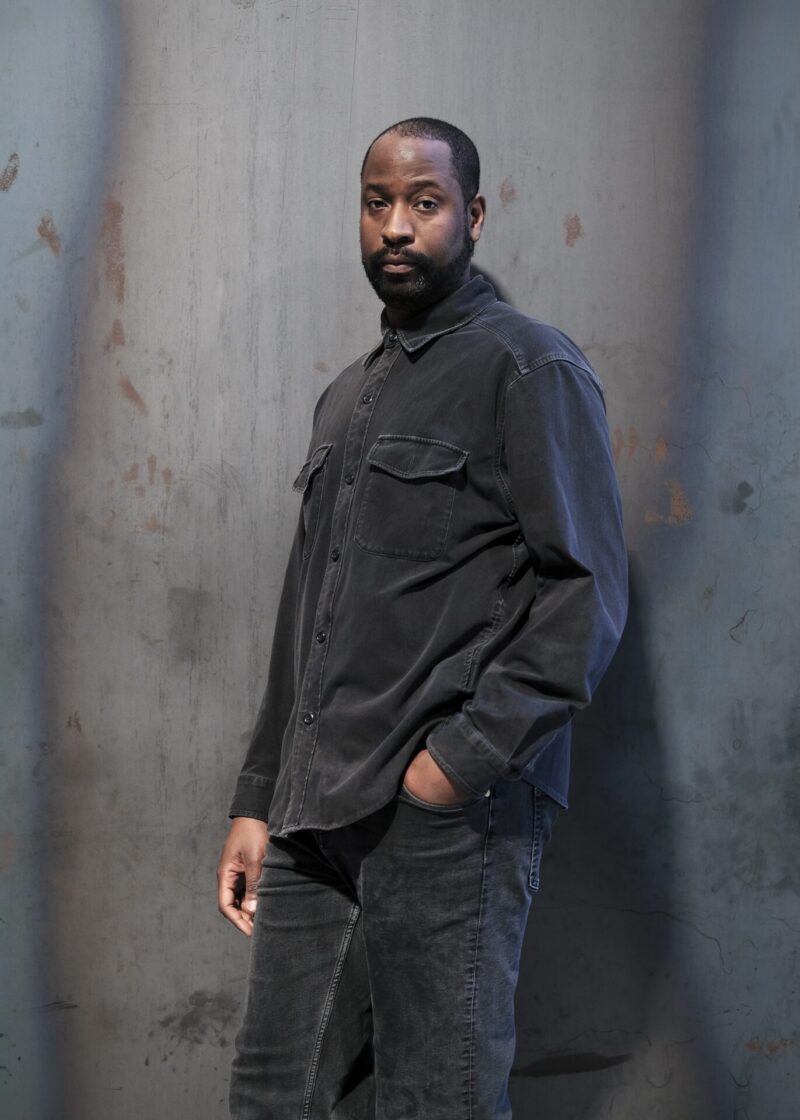
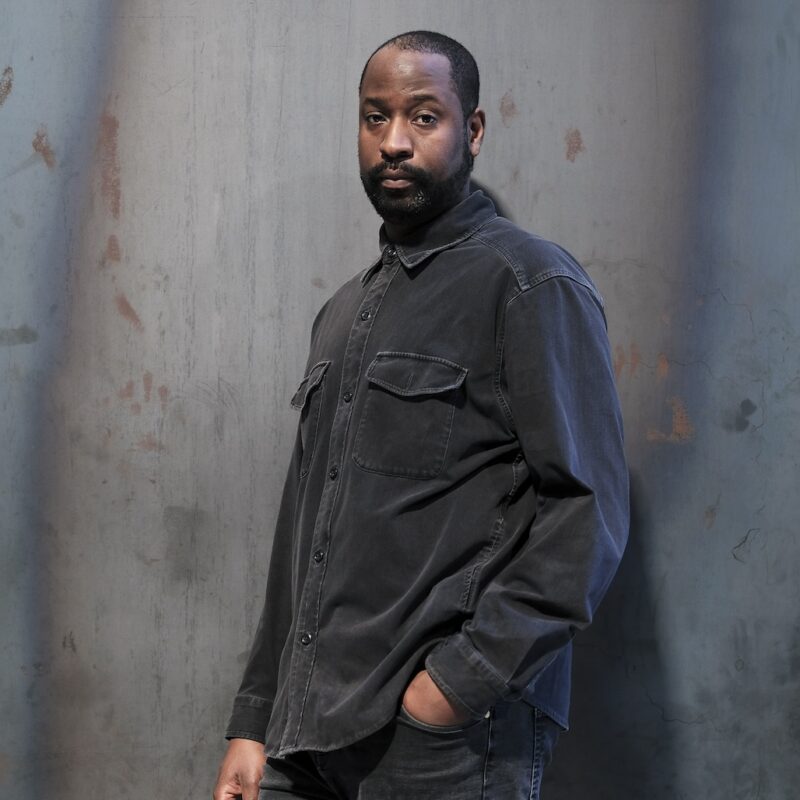
Minna Salami
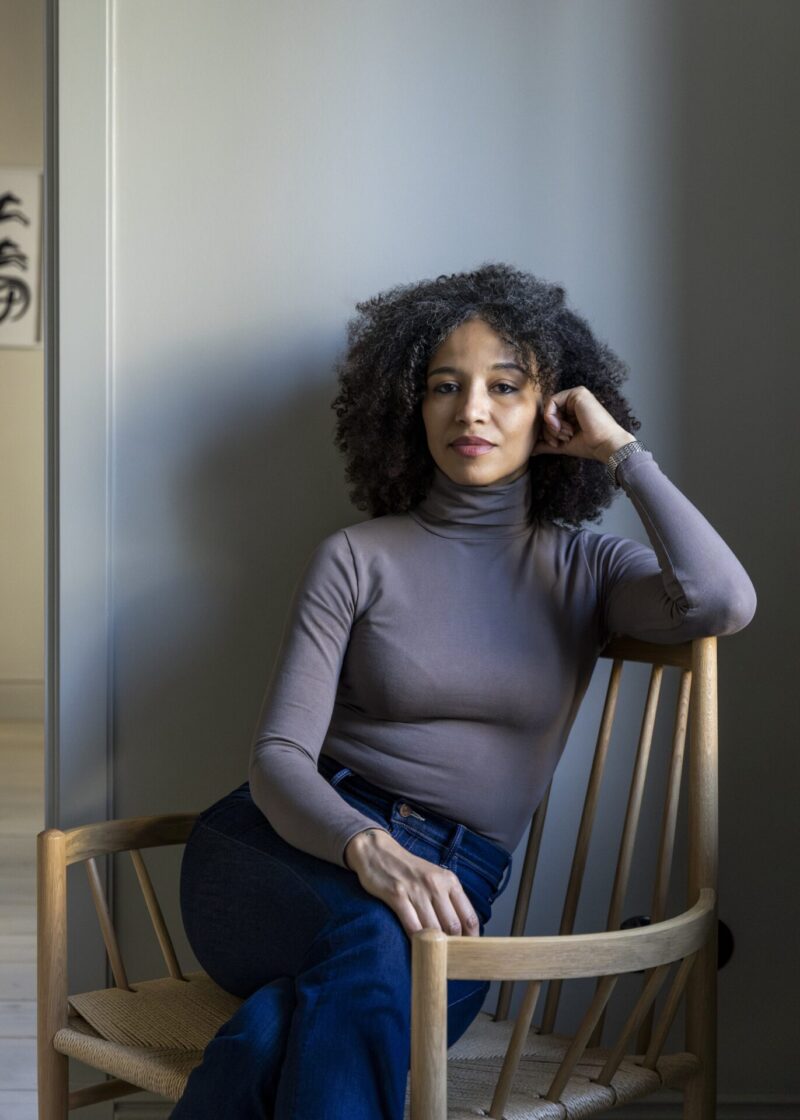
Minna Salami is a Nigerian-Finnish and Swedish author, speaker and social critic. She is an Open Society Ideas Workshop Fellow and formerly Senior Fellow and Programme Chair at THE NEW INSTITUTE.
She is the author of Can Feminism Be African?: A Most Paradoxical Question (Harper Collins, 2025) and Sensuous Knowledge: A Black Feminist Approach for Everyone (Bloomsbury 2020) with her books translated into multiple languages. Her essays have appeared in the Financial Times, The Guardian, The Ideas Letter and Project Syndicate, and she regularly delivers talks and lectures internationally.
She was Creative Director of the short film Black Feminism and the Polycrisis, winner of a 2024 Lovie Award, and her books have inspired numerous workshops, courses and art exhibitions.
Read the sensory information to find out what to expect when visiting the exhibition.
Artists
Igshaan Adams
Akinbode Akinbiyi
Loulou Cherinet
Adji Dieye
Jeannette Ehlers
Lungiswa Gqunta
Liisa-Irmelen Liwata
Ibrahim Mahama
Sandra Mujinga
Karl Ohiri
Emeka Ogboh
curation
Marcia Harvey Isaksson, Southnord
Katariina Timonen, Amos Rex
PROJECT MANAGEMENT
Anastasia Isakova
Christine Langinauer
Petteri Mård
Texts in the exhibition
Iia Palovaara
Exhibition Architecture
NLÉ
visual identity
Alexander Boxill Design
exhibition team
Kieran Long
Elsa Hessle
Itha O’Neill
Construction & Technical Supervision
Jussi Piironen
Leading Technician
Tii Laakso
Freelance Technicians
Paul-Oskar Aiha
Tatu Engeström
Petteri Enroth
Cyane Findji
Sini Havukainen
Oona Hein
Willem Heeffer
Tuukka Kaila
Maikki Kaikuru
Tuomas Karjalainen
Kimmo Kumela
Tuuli Kudjoi
Peetu Liesinen
Jussi Pakkala
Kati Peltola
Olavi Pietiäinen
Tomi Stankevitsch
Eveliina Wirtanen
AV Design
Sohei Yasui
Marianne Lagus
Lighting design
Marianne Lagus
Coordination
Antonella Perna
Conservation
Mia Derichs
Studio Rex
Melanie Orenius
Learning & Engagement
Emma Hovi
Melanie Orenius
Iia Palovaara
Laura Porola
Production, Texts & Events
Sanja Kulomaa
Helena Fernström
Visitor Experience
Melissa Aaltonen
Pamela Frankenhaeuser
Miklas Hoggard
Henna Korpela
Mirjami Nykänen
Alisa Närvänen
Henri Pienimaa
Maria Saarikoski
Sergio Urbina
Krista Vikman
Customer service staff
Discussion guides
Exhibition guides
Group services
Accessibility consulting
Kaiao
Kynnys ry
Communications & Marketing
Susanna Kivisilta
Iiris Mattsson
Noora Nuotio
Milla Paananen
Ziyi Pei
Corporate Collaborations
Anna Iso-Ahola
Graphic Design
Alexander Boxill Design
Kati Peltola
TSTO
Animation
TSTO
Graphic Production
Grano
Media Kakko
Translation
Arazo Arif
Koko Hubara
Glossary, Consultation
Wisam Elfadl
Training & Context
Wisam Elfadl
Maimouna Matikainen-Soreau
Anna Rastas
The exhibition is part of Southnord Artfest 2026.
Amos Rex is owned by Amos Andersons Fund.
Main partner: Helsingin Sanomat. Partners: Bauer Media Outdoor, Genelec.