
Contact us
Here you’ll find contact details for the museum and our staff.
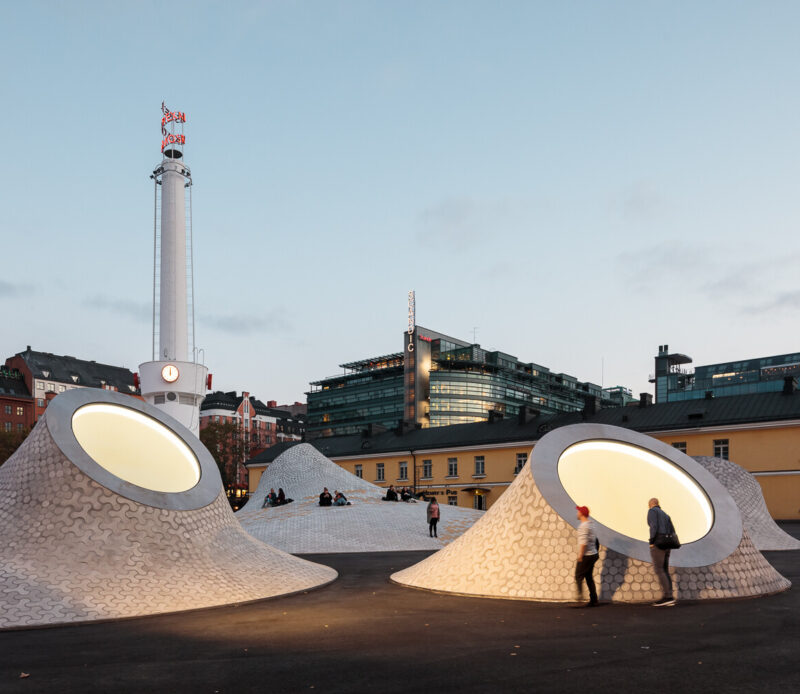
Amos Rex is located in the Lasipalatsi building in the center of Helsinki. Our address is:
Mannerheimintie 22–24
00100
Helsinki, Finland
Administration
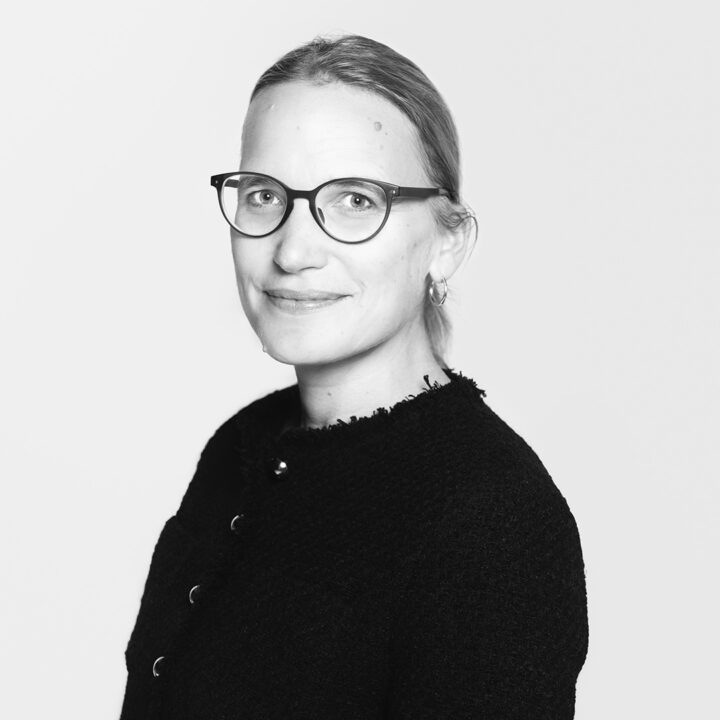
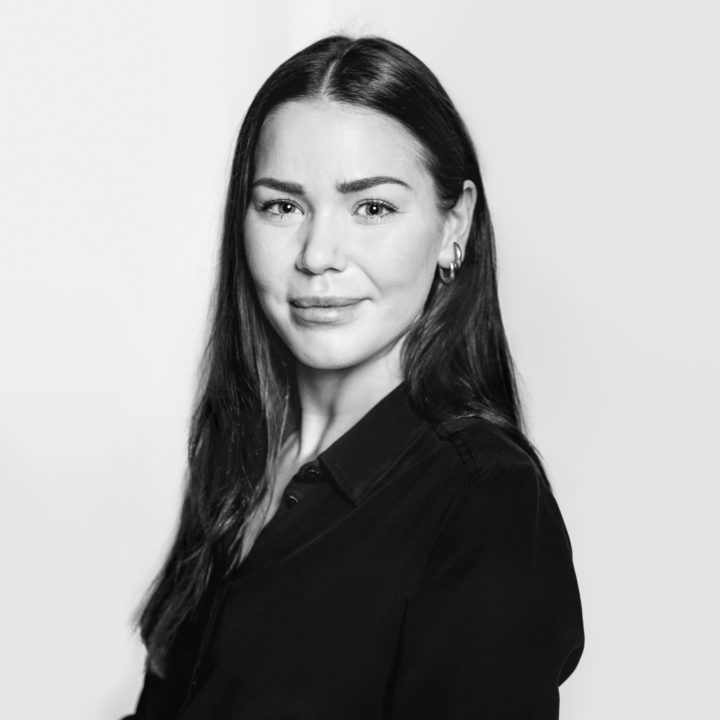
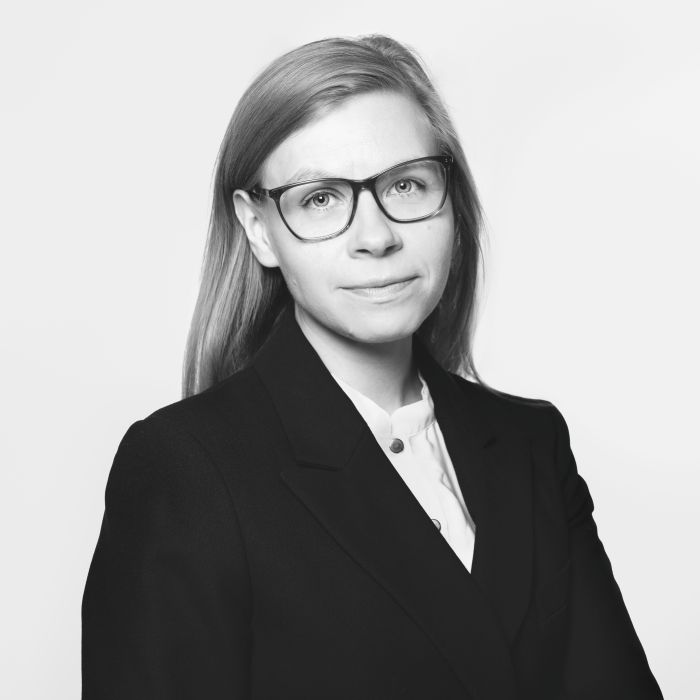


Charlotta Aminoff
Administrative assistantContent & Collections
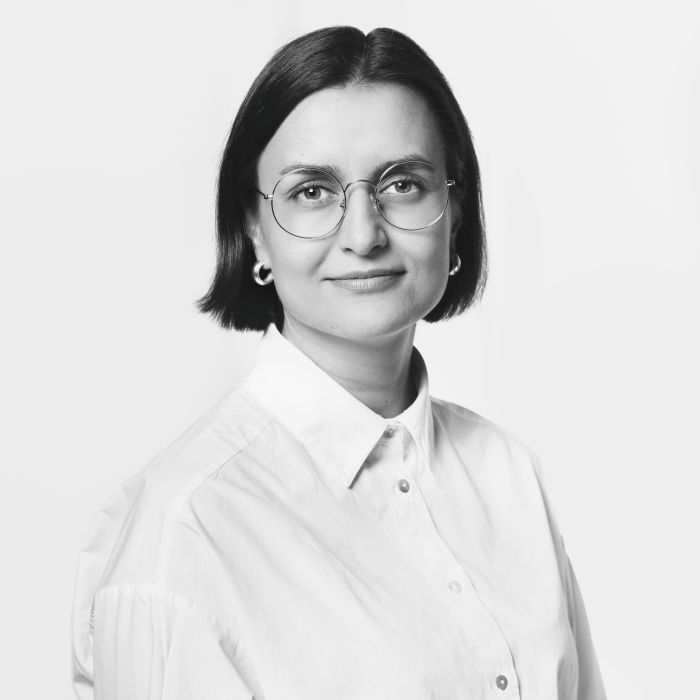

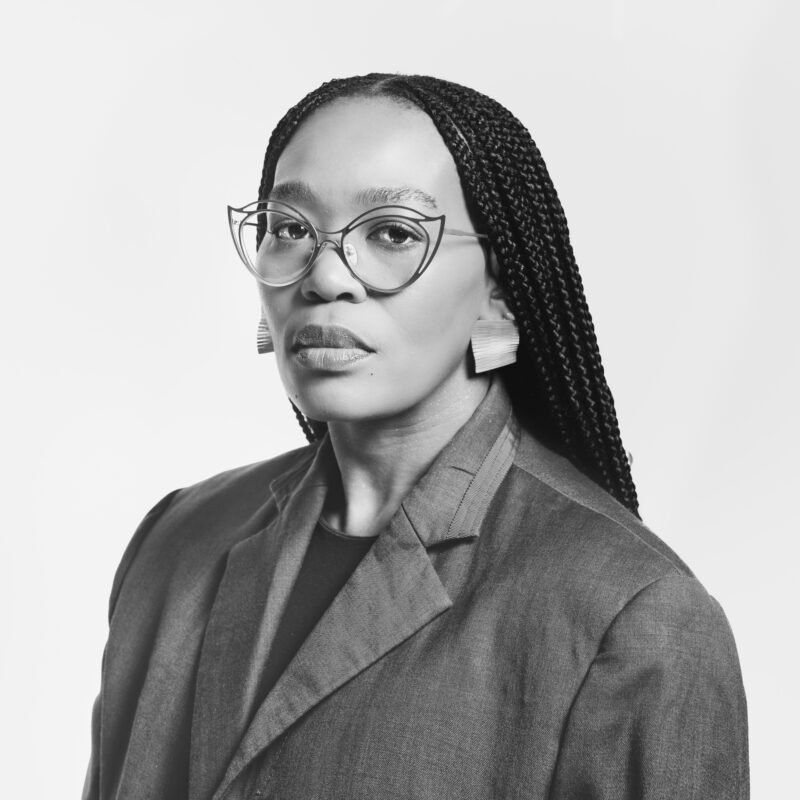
Khanyisile Mbongwa
Curator of Art in the Public Realm +358 40 768 3632 khanyisile.mbongwa@amosrex.fi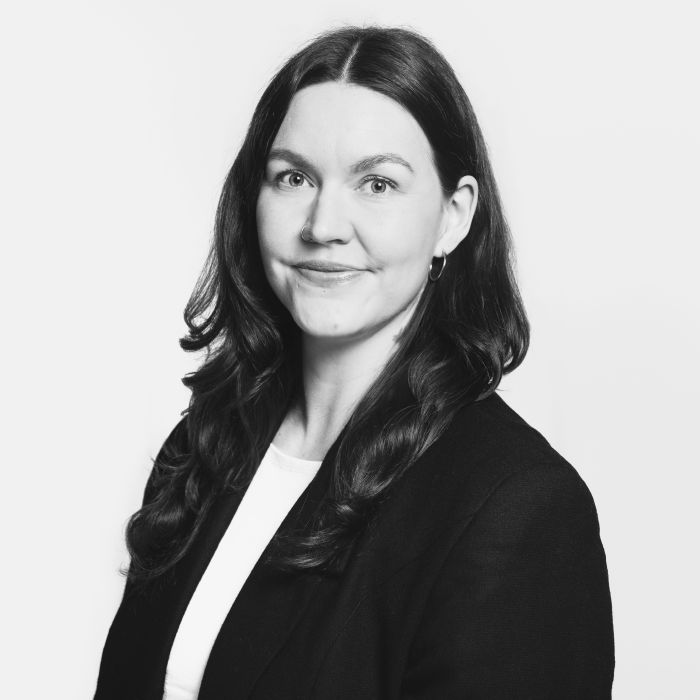


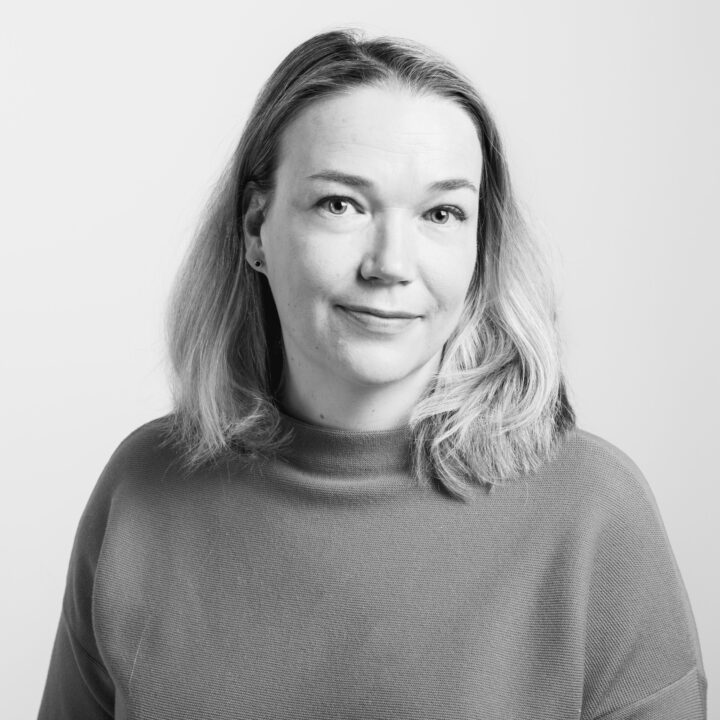
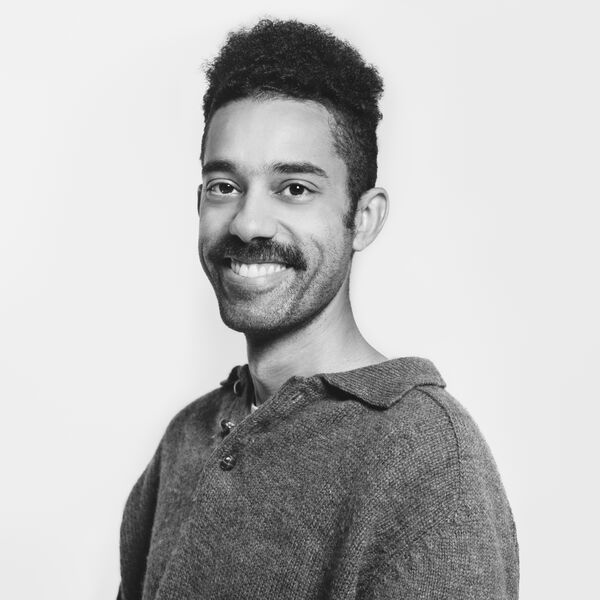

Anna-Maria Wilskman
Specialist, Archives, Library, Collections
Kerttu Raittila
Senior Coordinator +358 40 704 2867 kerttu.raittila@amosrex.fiCommunications


Partnerships
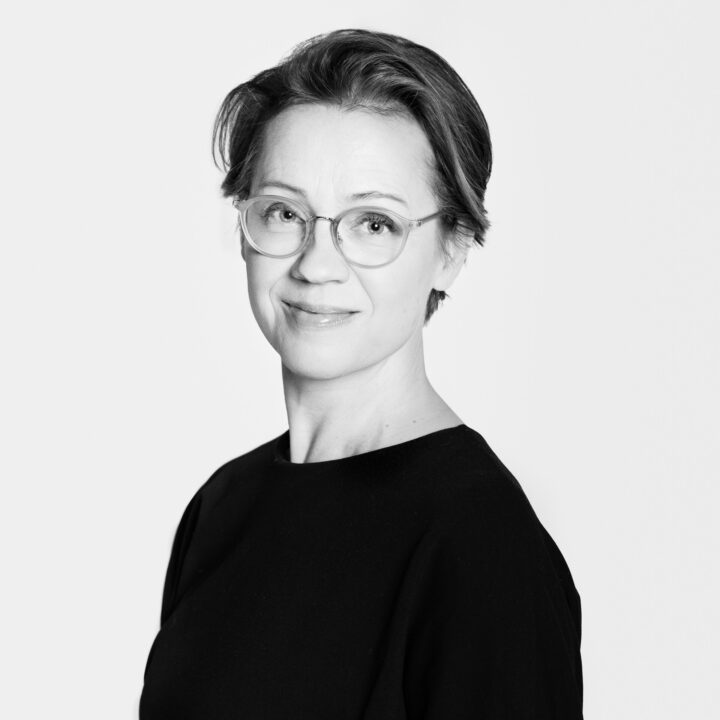
Visitor experience & Production
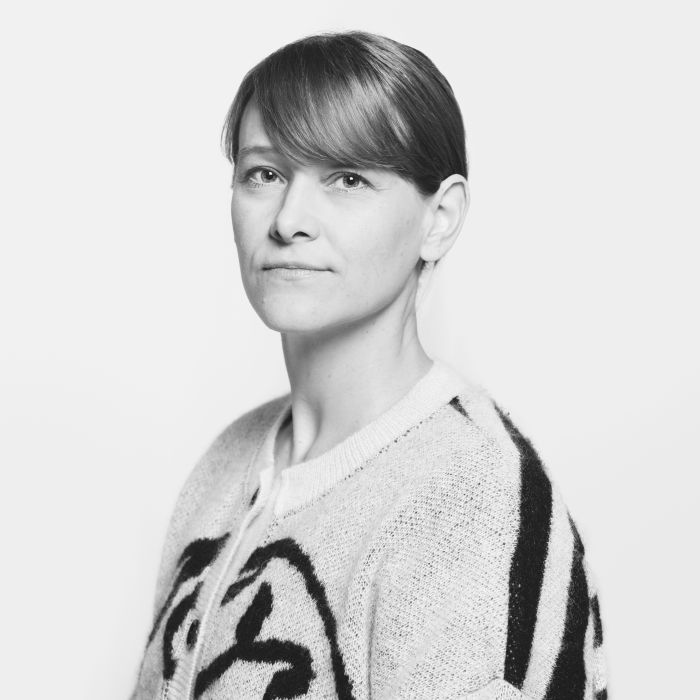
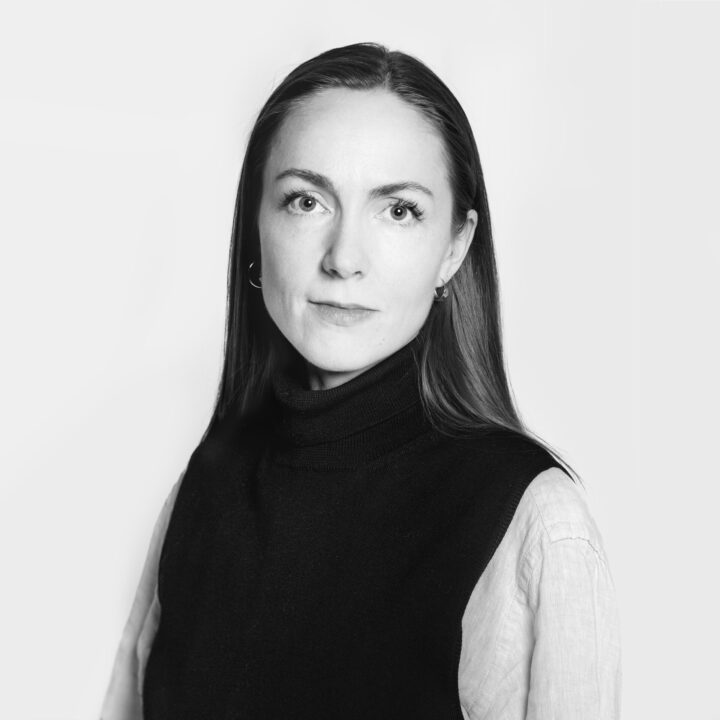
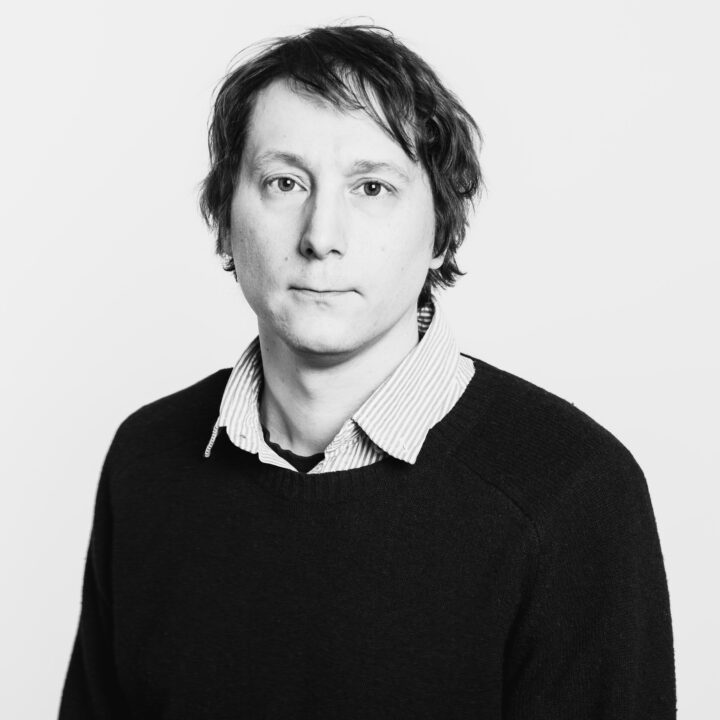
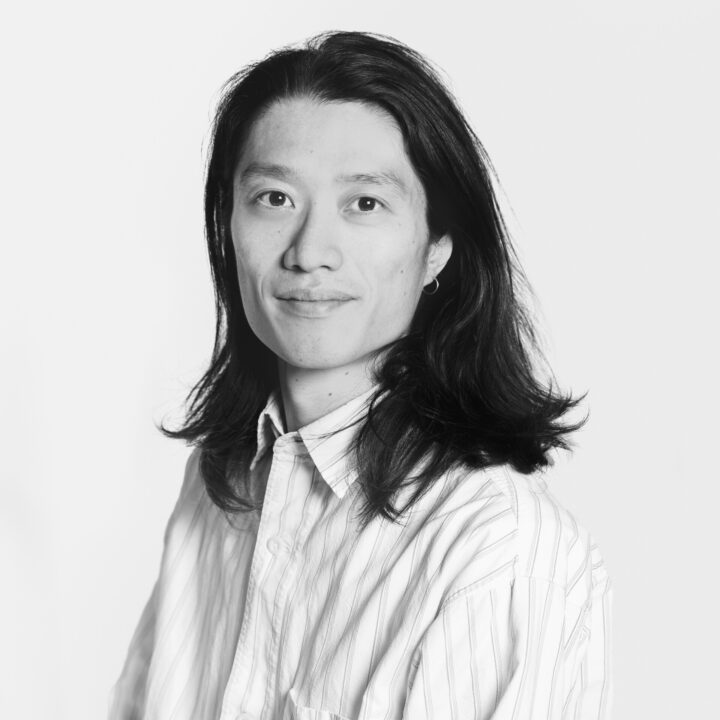
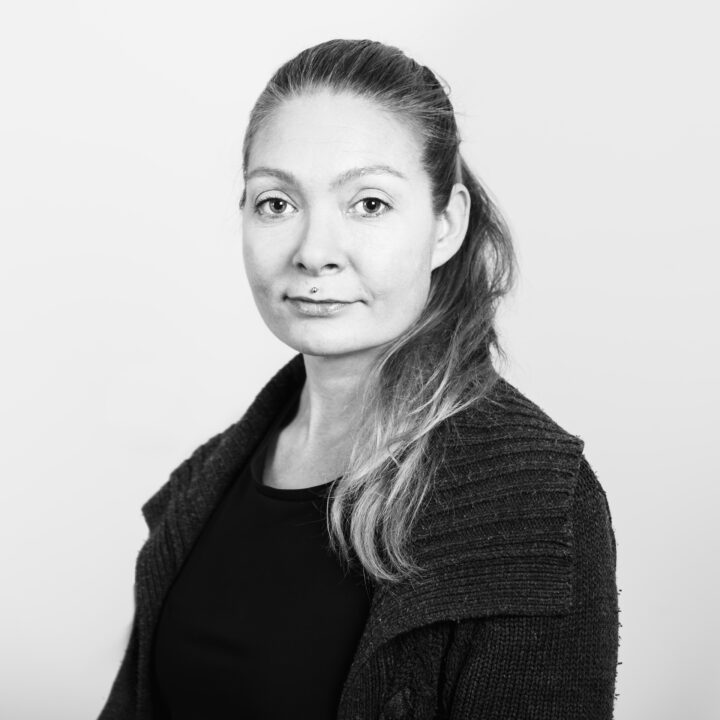

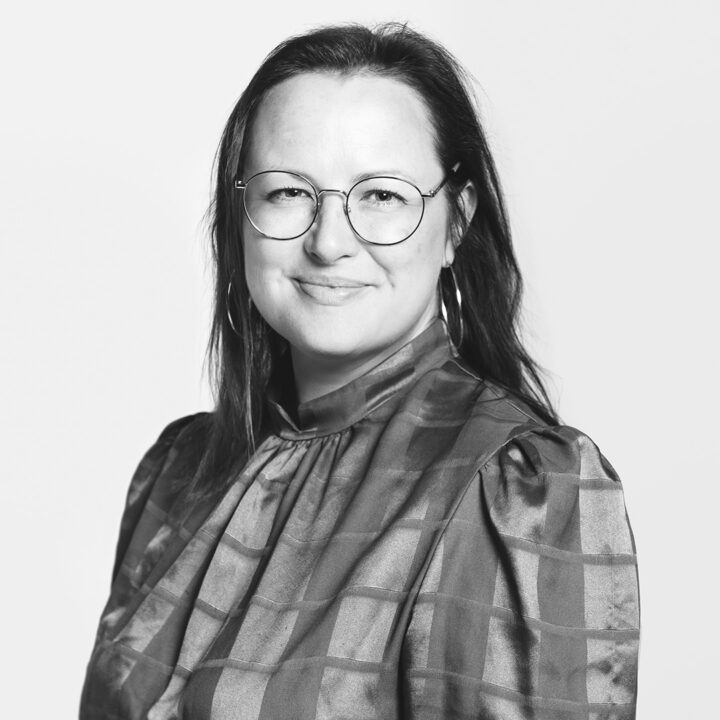


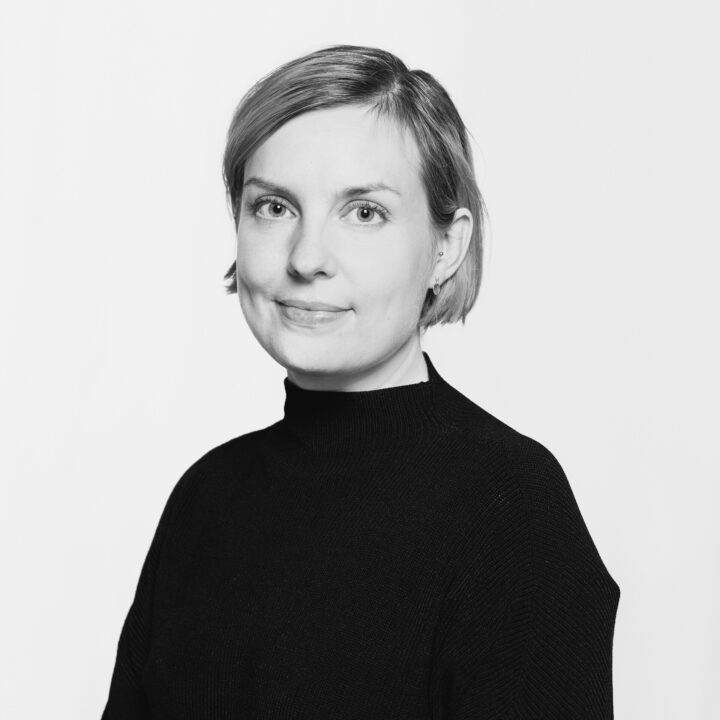
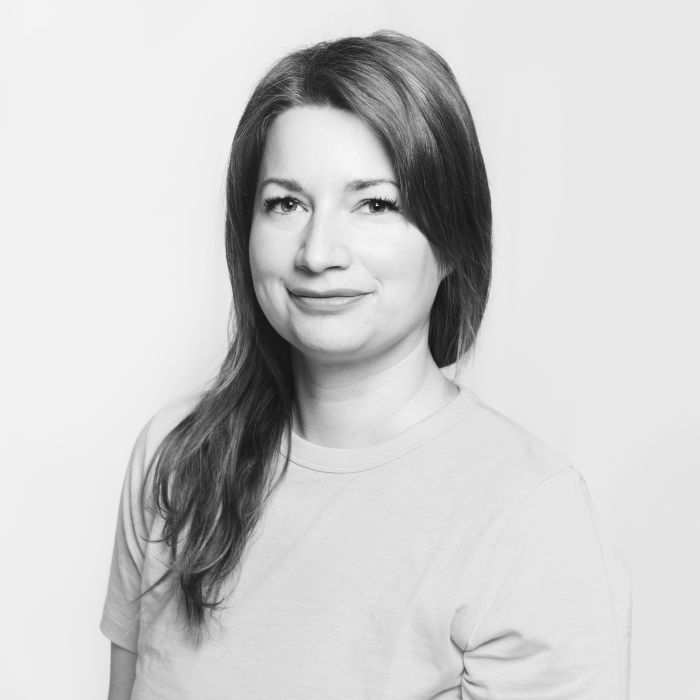

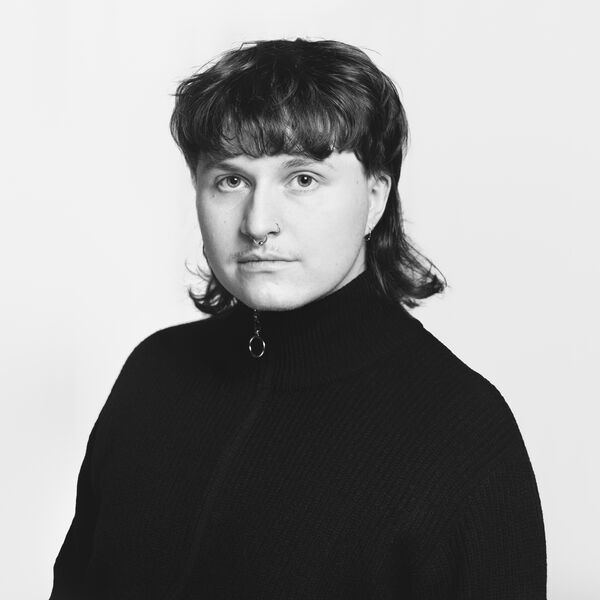

Maarit Levy
Team Leader for Discussion Guides
Krista Vikman
Group Service Coordinator Bookings: 09 6844 4633, Mon, Wed and Thu 1pm – 4pm krista.vikman@amosrex.fi
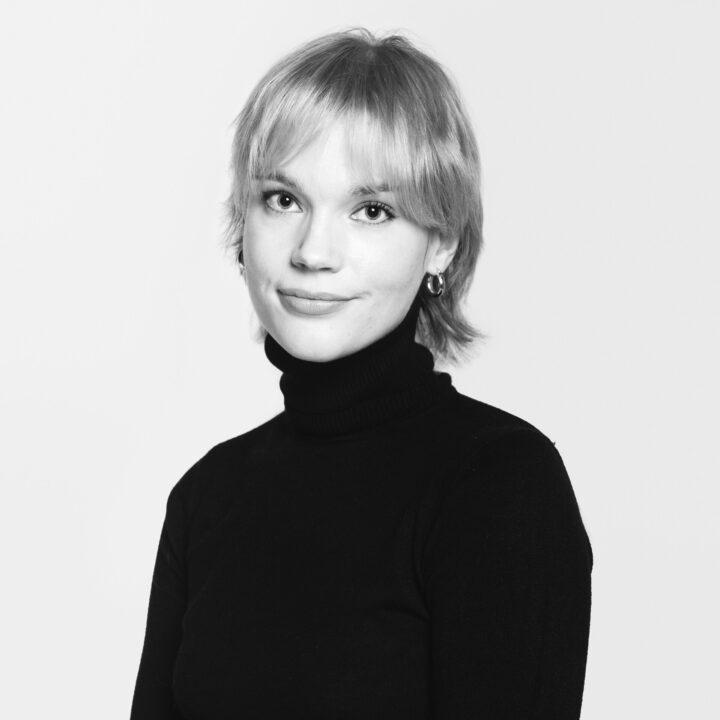
Meri Marttila
Group service assistant +358 09 6844 4633 booking@amosrex.fi

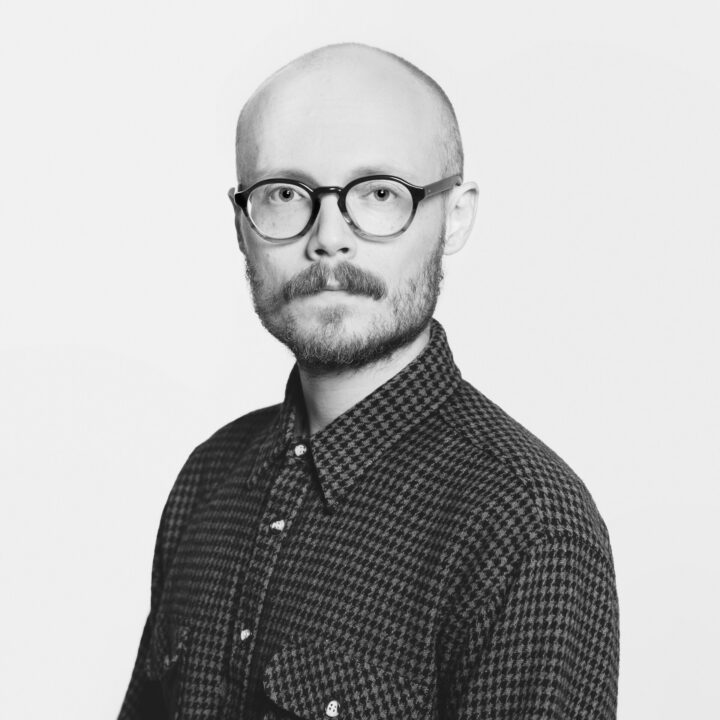



Bio Rex & Lasipalatsikortteli
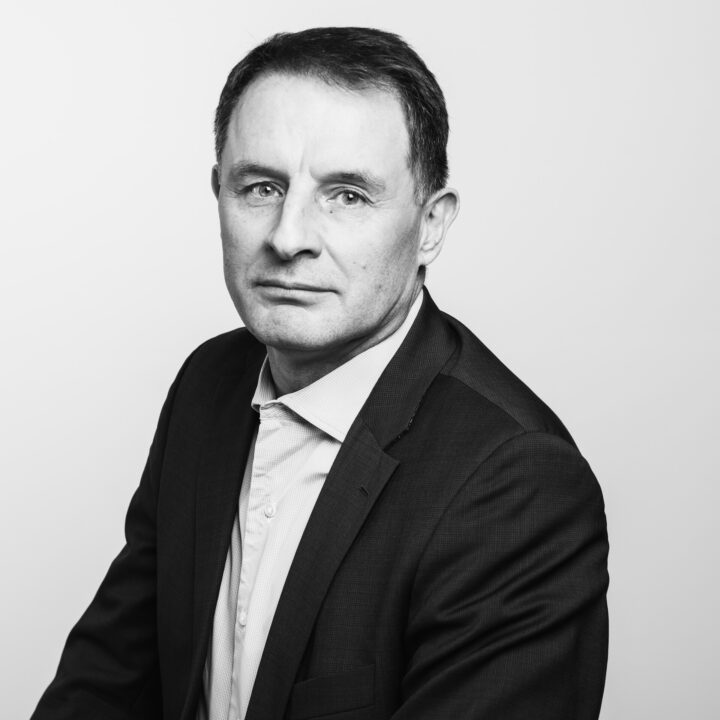
Henrik Johansson
Glaspalatskvarteret Ab (Lasipalatsi Square), CEO +358 50 574 7454 henrik.johansson@glaspalatset.fi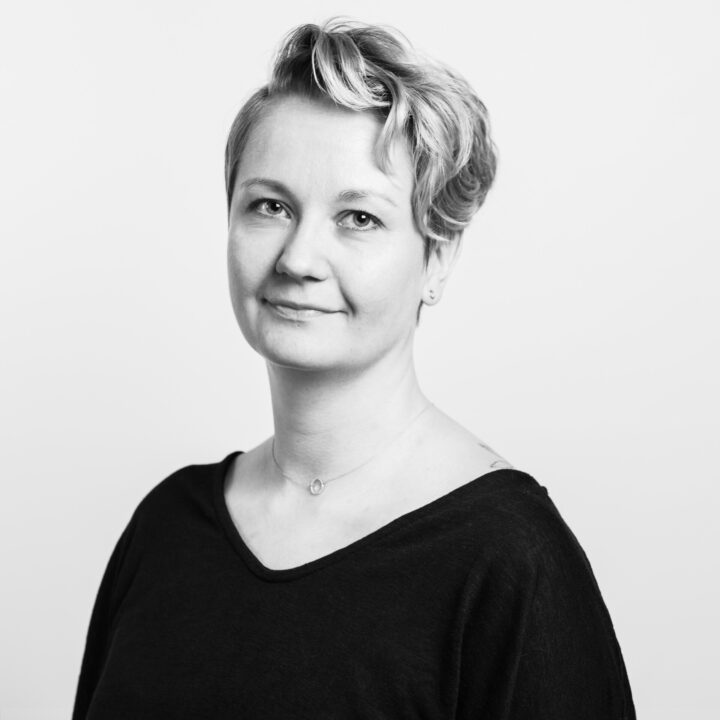
Marjo Sahi
Head of Operations, sales, Bio Rex & Lasipalatsi square +358 50 466 2370 marjo.sahi@rexevents.fi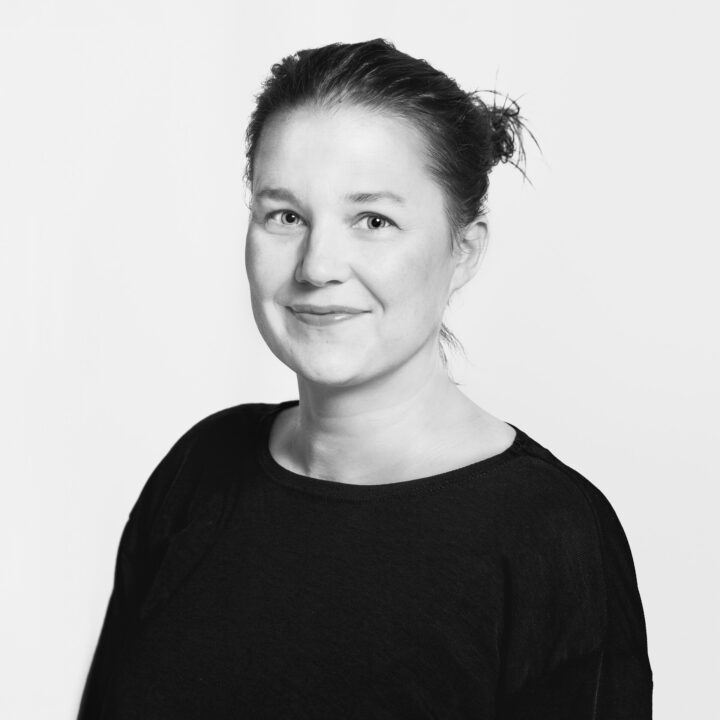
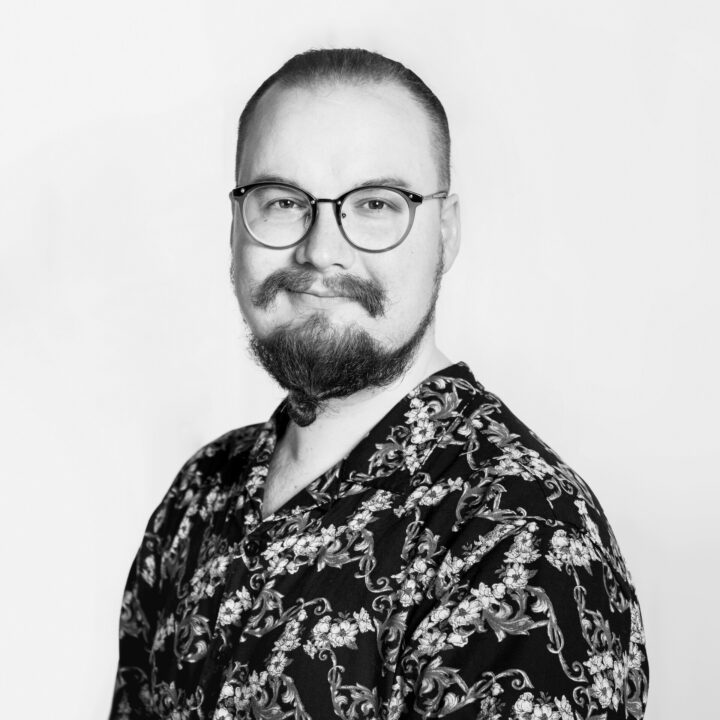
Organisation and responsibility
Chair: Stefan Björkman
Vice-chair: Elisabeth Millqvist
Trustees:
Cilla Lönnqvist
Leif Jakobsson
Laura Aalto
Sara Sandström
Tuomas Auvinen
Ronny Viljanen
Amos Andersons Fund and the group’s companies are committed to high ethical and responsible principles in all their operations. To support this, the group has introduced an internal whistleblowing channel.
The reporting channel and the handling process are in line with the Finnish Whistleblower Protection Act and the European Commission’s Whistleblower Protection Directive.
If an employee or partner observes activities that go against legislation or the group’s rules, they can report the matter confidentially and, if desired, anonymously via the reporting channel.
Amos Rex’s management, administration and the equality working group, which is selected every two years, work together to promote equality and the work community. Promoting equality in working life means that employees are treated equally and without discrimination in all situations of working life. The aim is to develop the work community by utilizing the diverse abilities and skills of employees, creating space for discussion and change, improving the workplace atmosphere and facilitating the balance between work and family life.
Amos Rex is an art museum where past, present and future meet. We are constantly working toward more sustainable museum operations.
Our environmental and responsibility activities are guided by the Finnish Association for Nature Conservation’s EcoCompass environmental management system and Visit Finland’s Sustainable Travel Finland programme. Amos Rex is also included on MyHelsinki’s Think Sustainably website.
Amos Rex is a member of the international Gallery Climate Coalition network, which aims to reduce CO2e emissions in the entire art sector by at least 50% by 2030.
Sustainable Travel Finland
Ekokompassi

Renewable Energy
The entire Lasipalatsi (Glass Palace) area switched to renewable district heating in March 2022, and the museum uses wind power.
Measures Taken
Exhibition periods have been extended from 3–4 months to 5–6 months.
When transporting works of art, the museum aims for shared and partial transport as well as flexible pick-up and arrival times.
Amos Rex mainly serves vegan food at its events and in its coffee room.
The Amos Rex Shop sources products from local producers whenever possible. As a rule, our own products are manufactured from sustainable and surplus materials.
Development
In the future, the museum’s acquisitions will be guided by comprehensive procurement guidelines. Ecology, locality and responsibility serve as key criteria guiding choices, while minimum requirements have been drawn up for eco-labels.
We train our staff to understand effective environmental actions in the context of museum operations. We offer everyone the opportunity to impact the environmental impact of their own work and thus also their coping and well-being at work.
When building exhibitions, we reuse plenty of materials, but will further increase the circulation and life cycle of materials, including cooperation with other museums.
We calculate the museum’s carbon footprint, which also takes into account the digital footprint of our operations. We develop our environmental work based on these results.