
Sigurd Frosterus Collection
Sigurd Frosterus Foundation collection
The Sigurd Frosterus collection of early modern art is on display in the Frosterus Hall at Amos Rex.
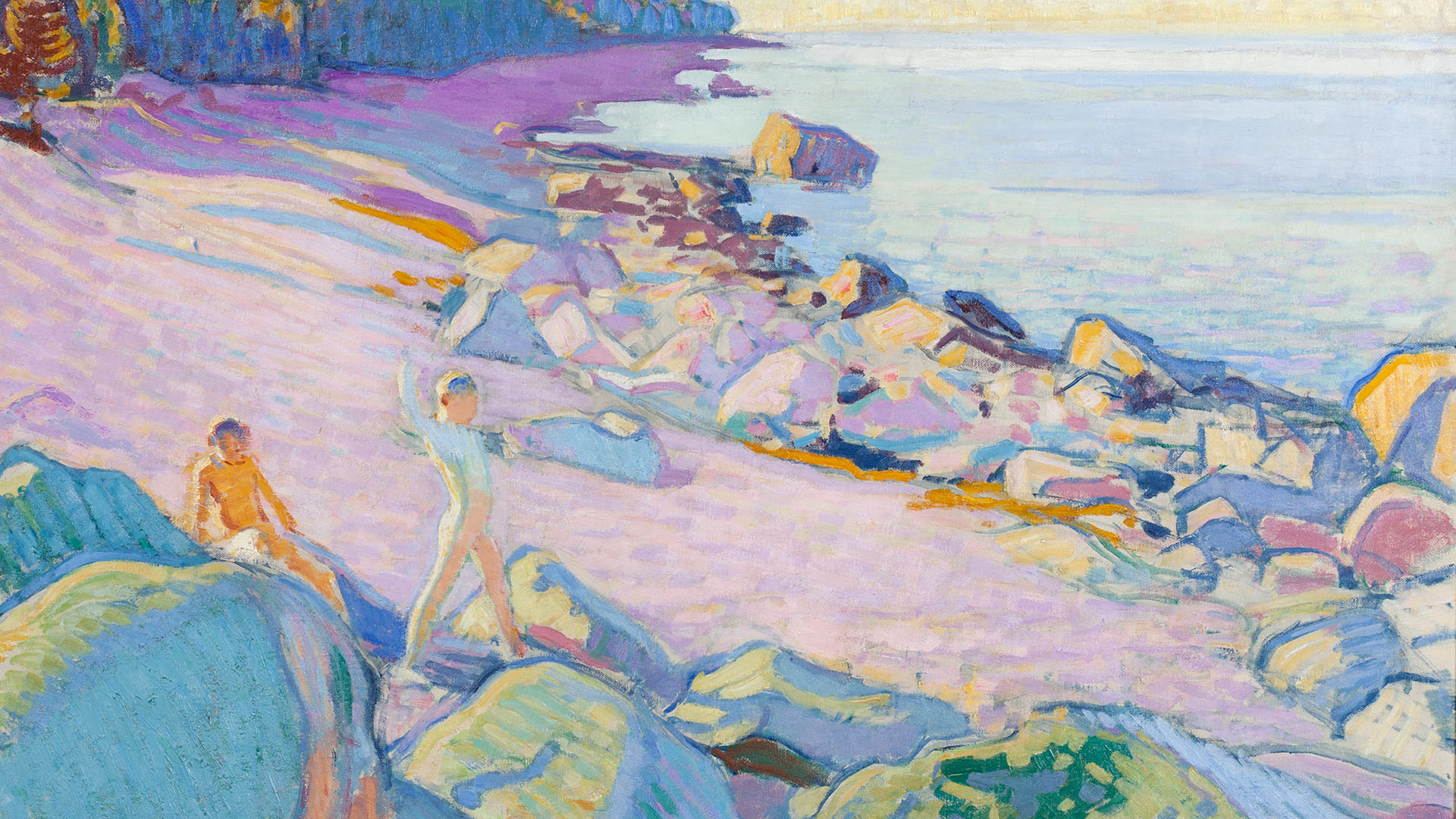
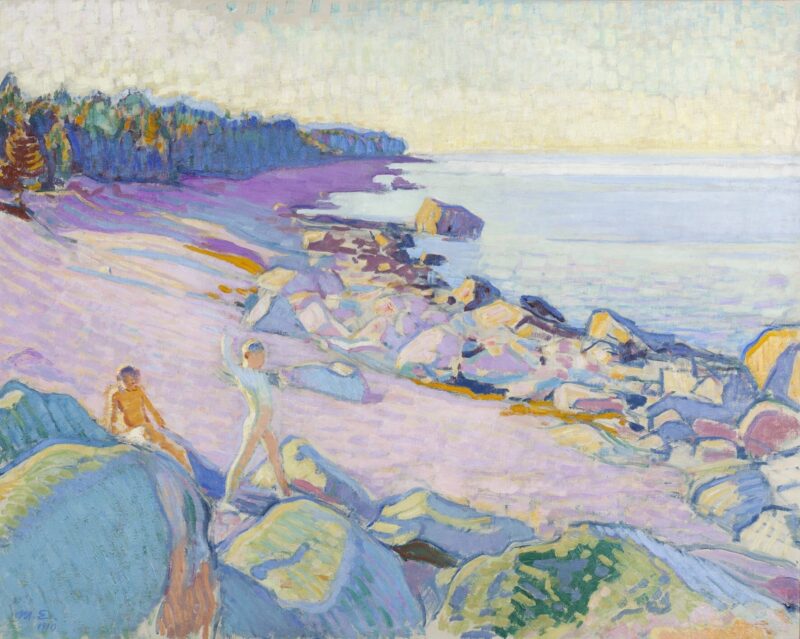
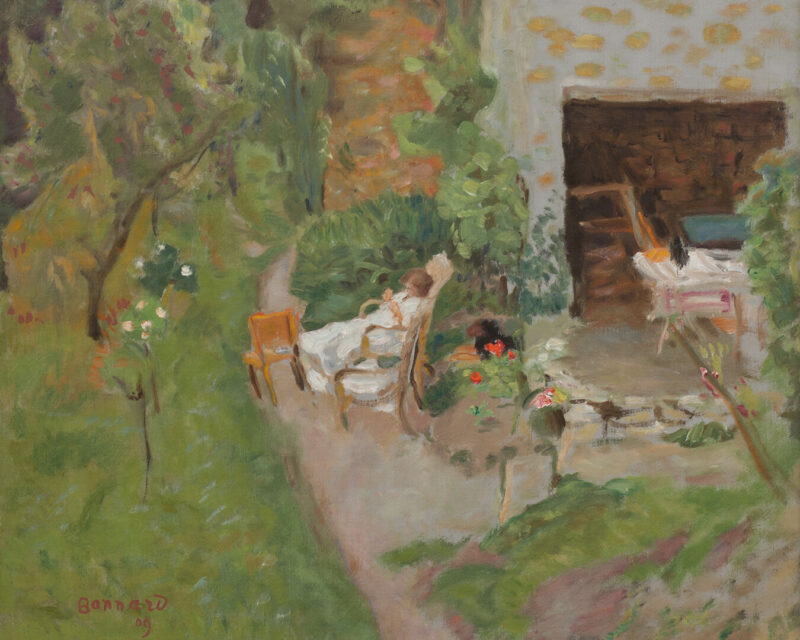
The Sigurd Frosterus Foundation collection can be seen as a tribute to Colourism that emerged in Europe in the first half of the twentieth century.
The collection of early modern art is displayed in the dedicated Frosterus Hall at Amos Rex. Featuring some of its most important works from the early twentieth century, the presentation brings out the vibrancy and colour intensity of the paintings. The exhibition also highlights Sigurd Frosterus’s role in acquiring foreign artworks for Finland.
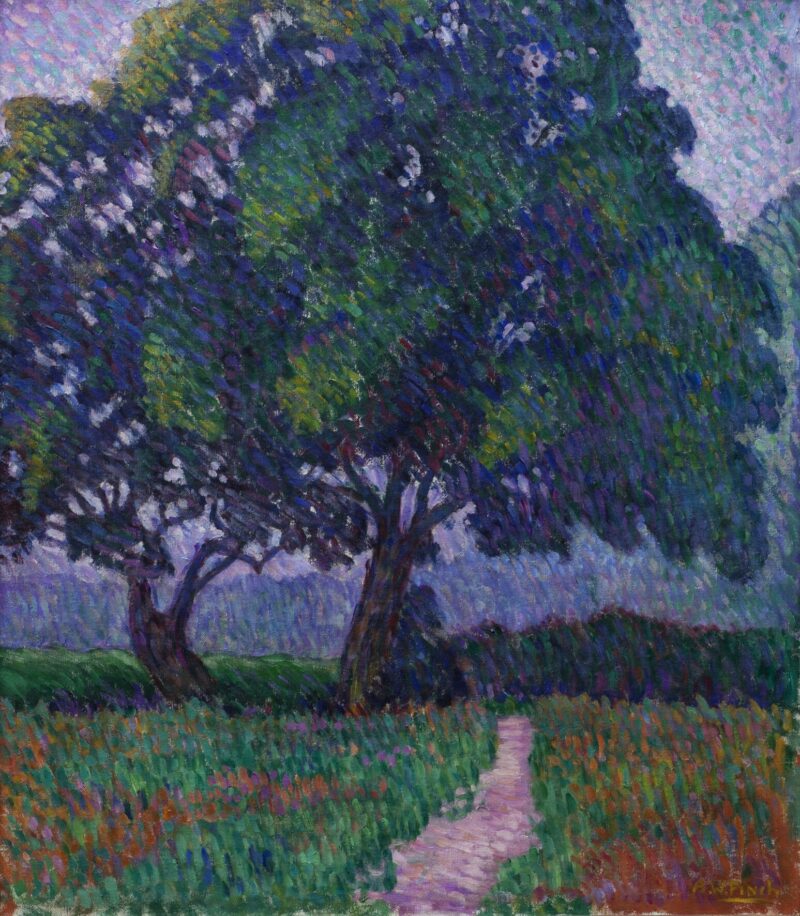
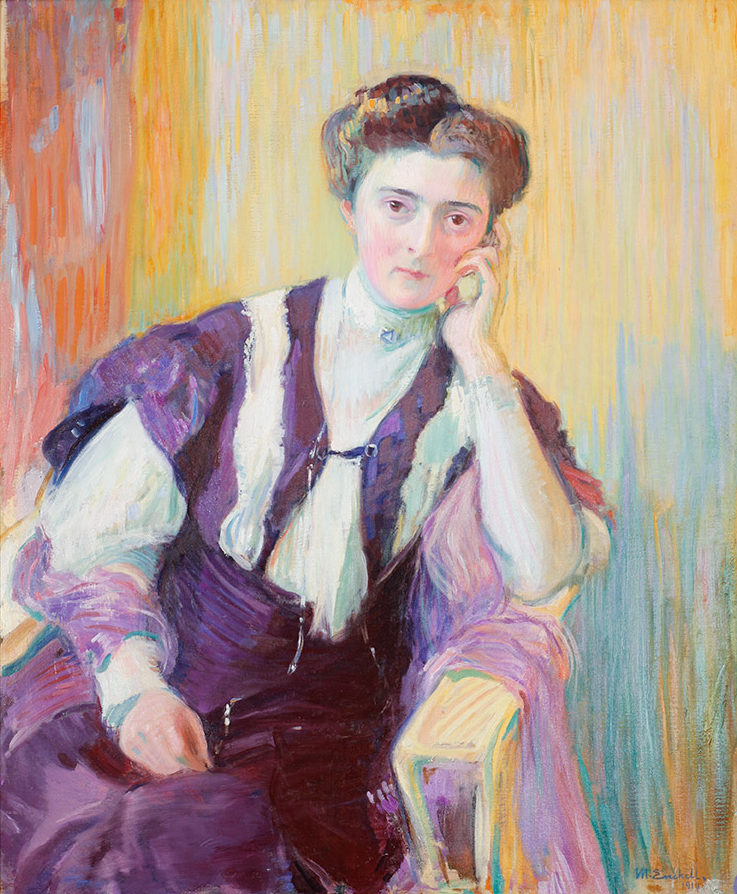
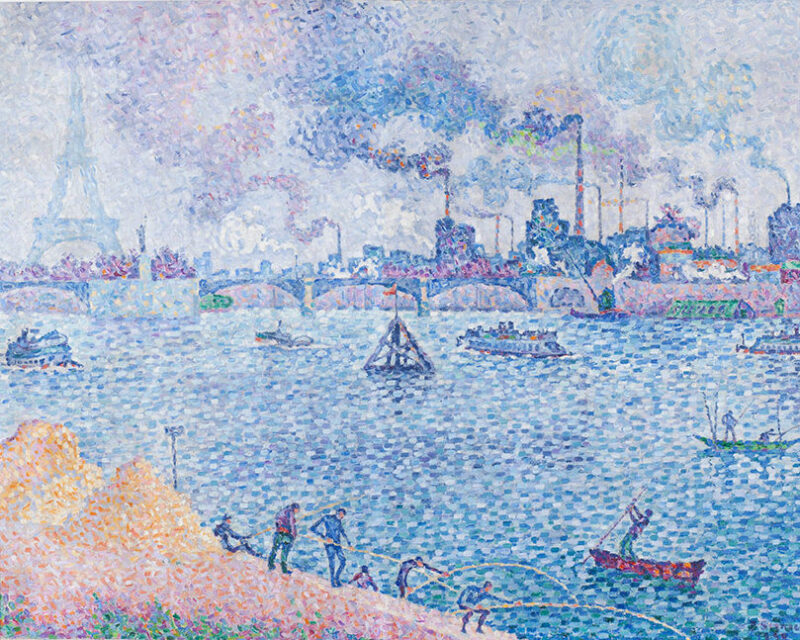
The Sigurd Frosterus Collection consists primarily of Post-Impressionist works by international and Finnish artists from the early twentieth century. Two painters who stand out in particular are Magnus Enckell and Alfred William Finch, both represented by more than ten works. Other featured artists include Sigrid Schauman, Paul Signac, Henry Edmond Cross, Théo van Rysselberghe, and Louis Valtat.
The exhibition is a collaboration between Amos Rex and the Sigurd Frosterus Foundation. The foundation’s primary mission is to maintain the collection and make it accessible to the public. From the early 1990s, the collection was on view at the Amos Anderson Art Museum and, since 2018, at Amos Rex, where around 50 works are included in the collection display.
The book: Collection Sigurd Frosterus
Edited by Sofia Aittomaa, Collection Sigurd Frosterus highlights the life’s work of the renowned architect and the Post-Impressionist movement. Available at the museum shop.
Learn more about the collection
Read more about the collection and its artworks here:
Gallery guide: Sigurd Frosterus Foundation Collection
Sigurd Frosterus (1876–1956)
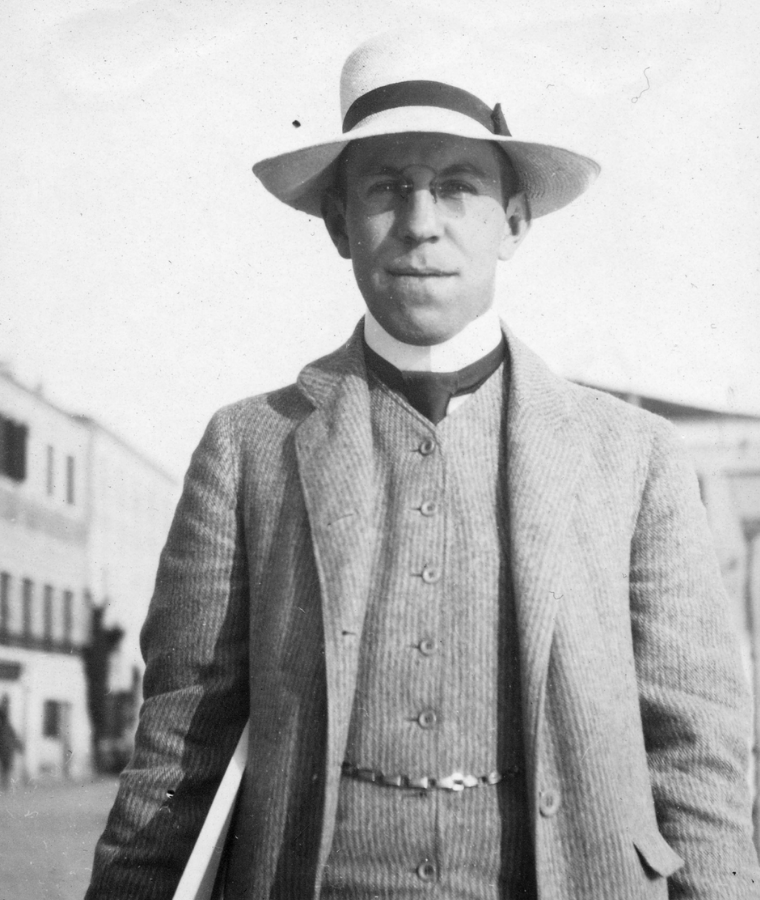
Sigurd Frosterus was an architect and an advocate of rational architecture. He is best known for the Stockmann department store in central Helsinki and Tamminiemi, the former official residence of Finnish presidents, now a museum. Alongside commercial and industrial commissions, he designed residential buildings, including several notable examples in Helsinki’s Etu-Töölö district.
Frosterus’s interest in art collecting took shape during his stay in Weimar in 1903–1904, where he worked in the office of designer and architect Henry van de Velde. He had gone there on the recommendation of the artist Alfred William Finch. Through Finch and artist Magnus Enckell, Frosterus was introduced to the latest developments in modern art, which influenced his view of contemporary painting.
His collection took shape between 1905 and 1915, during the years he worked as an art critic and essayist. This period reflects his close engagement with early twentieth-century European modernism. While the most significant works date from these years, Frosterus continued collecting throughout his life.